

Table of Contents
- What Defines a Curated Home Product
- Mass-Produced vs Curated Home Decor: The Core Differences
- How to Spot Quality Craftsmanship in Home Goods
- The Supply Chain Economics Behind Higher Prices
- Sustainable Home Decor Brands and Material Longevity
- Investment Pieces vs Disposable Decor: Cost-Benefit Analysis
- The Hidden Costs of Curation and Why They Matter
- Conclusion
Last Updated: August 16, 2026
What Defines a Curated Home Product
A curated home product is an item selected through intentional design principles and rigorous quality standards, rather than mass-produced for maximum profit margin. Unlike disposable decor churned out in high volumes, curated pieces reflect thoughtful sourcing, artisan craftsmanship, and deliberate material choices. These products solve real problems, last longer, and contribute to a cohesive interior narrative rather than filling shelf space.
At Funky or Wot, we understand that curation means understanding which products genuinely improve daily life, which materials withstand years of use, and which designs transcend seasonal trends. One was designed to last; the other was designed to sell quickly and be replaced. The real reason curated products cost more lies in how these items are sourced, produced, and distributed, not just branding or markup.
Mass-Produced vs Curated Home Decor: The Core Differences
Mass-produced items prioritise speed and volume. A manufacturer receives an order for 100,000 throw pillows, sources the cheapest synthetic fabric meeting minimum standards, and ships them within weeks. Curated decor operates differently: a designer identifies a specific aesthetic problem, sources materials from ethical suppliers, tests prototypes, and limits production to what they can quality-check personally. The result costs three times more per unit but lasts significantly longer.
Material longevity differs tangibly. Mass-produced textiles often use polyester blends that pill and fade after 18 months. Curated textiles use natural fibres or high-quality synthetics engineered for durability. A curated linen cushion will look better after five years than a mass-produced one after one year.
Design integrity matters too. Mass-produced decor follows algorithms based on what sold last season. Curated design emerges from specific creative vision or problem-solving intent, so pieces don't look dated when trends shift. Supply chain transparency also differs dramatically. Curated brands typically publish provenance information, which artisans made the piece, material sourcing processes, whether production is small-batch. This transparency itself costs money.
How to Spot Quality Craftsmanship in Home Goods
Identifying genuine artisan craftsmanship requires looking beyond surface aesthetics. Start with seams and joints. Hand-finished seams are slightly irregular but perfectly functional; mass-produced seams are uniform but often prone to unravelling. Run your finger along a seam, does it feel secure and densely stitched?
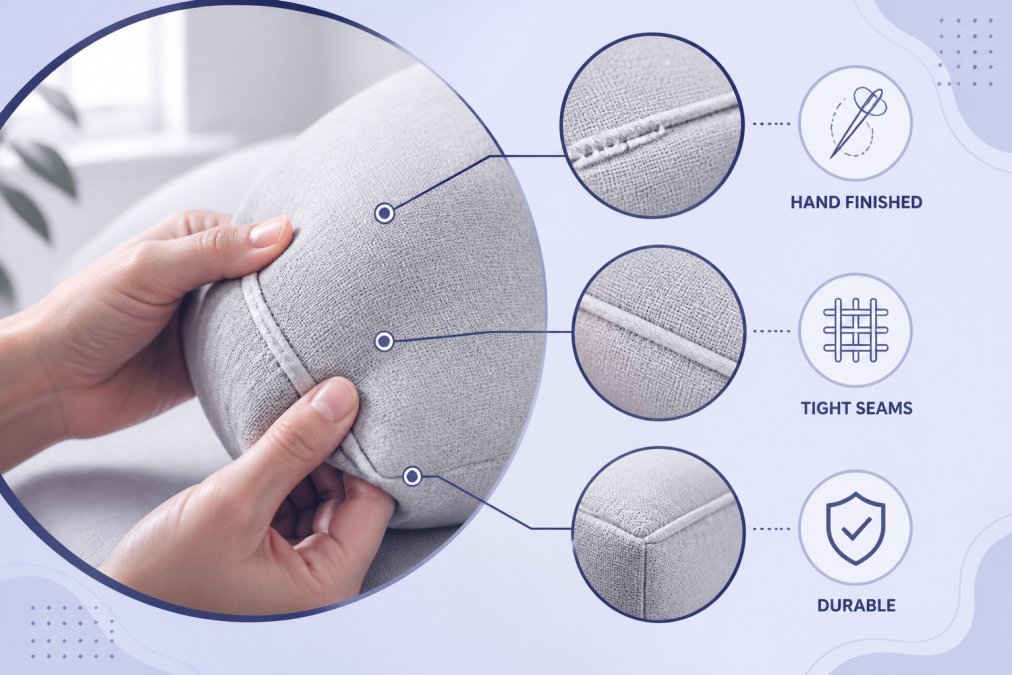
Check material weight and density. A curated wooden side table feels substantial and heavy because the wood is dense and properly dried. A mass-produced equivalent feels hollow because it uses compressed particle board veneered with thin wood. Examine finishes on wood and metal, hand-applied finishes show slight colour and sheen variations, indicating intentional application rather than industrial spray-coating.
Check hardware and fasteners. Curated pieces use quality hinges and drawer pulls that move smoothly. Mass-produced hardware feels cheap and often rusts within a year. Material composition should be clearly labelled with fibre content, wood type, and metal composition. Look for imperfections signalling handwork, slightly uneven rug edges, minor pottery thickness variations. These aren't flaws, they're proof of human craftsmanship.
The Supply Chain Economics Behind Higher Prices
Understanding why curated home products cost more requires tracing the entire production chain.
Small-batch production runs. A mass-market manufacturer orders 50,000 units at £2 per unit. A curated maker produces 500 units at £8 per unit. The volume discount is substantial, the base cost is four times higher before any markup.
Material sourcing. Sustainable, ethically-sourced materials cost more. Organic cotton costs 30-50% more than conventional cotton. FSC-certified wood costs more than unverified timber. Curated brands deliberately choose these materials, knowing they'll increase production costs.
Labour and craftsmanship. Hand-finishing and artisan production require skilled labour. A mass-produced item might spend 15 minutes on a production line; a curated piece might require 2-3 hours of skilled hands.
Quality control and testing. Curated manufacturers test batches for durability and structural integrity. A curated maker might test 10% of production; a mass producer tests 0.1%.
Smaller distribution networks. Mass-produced goods move through massive logistics operations. A curated brand might ship directly from the maker. Per-unit shipping and storage costs are higher.
Branding and transparency. Curated brands invest in storytelling and supply chain documentation. This costs money and gets passed to consumers.
Retail markup differences. Mass-produced goods often carry 200-300% markup. Curated goods typically carry 100-150% markup. The percentage is lower, but the absolute margin is similar because the base cost is higher.
A curated throw blanket costing £45 versus a mass-produced equivalent at £15 reflects real differences in material costs, labour investment, quality control, and supply chain efficiency.
Sustainable Home Decor Brands and Material Longevity
Sustainable production and longevity are linked but distinct. A sustainable brand minimises environmental impact through ethical sourcing and responsible manufacturing. Material longevity means the item lasts for years, reducing replacement needs and waste.
The economics of longevity favour curation. A mass-produced cushion cover costing £8 and lasting 18 months costs £5.33 per year. A curated cover costing £24 and lasting 10 years costs £2.40 per year. Over time, the curated option is cheaper, though the upfront cost is four times higher.
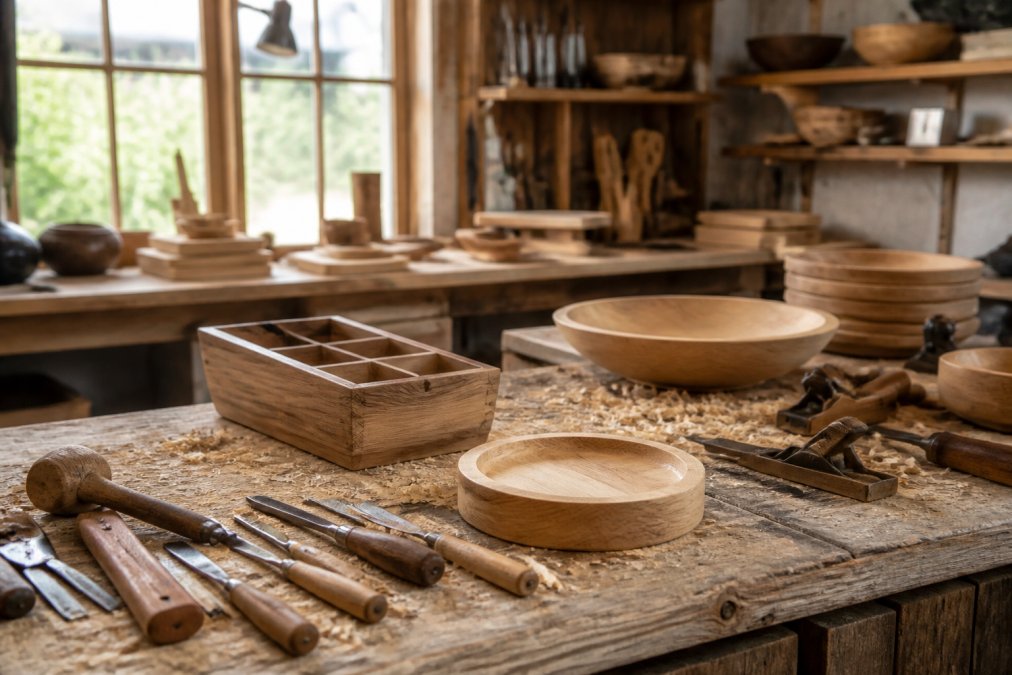
Sustainable materials require understanding actual lifespan. Natural linen develops a soft patina and becomes more beautiful. Untreated wood ages gracefully. Wool resists staining better than synthetics. These materials cost more initially but improve with age. Over 10 years, a curated pillow at £45 costs less annually than replacing a disposable £15 pillow annually. Sustainable manufacturing also reduces hidden environmental costs through ethical labour, water conservation, and minimal waste.
Funky or Wot's approach reflects this principle: selecting items combining material quality, thoughtful design, and longevity so customers invest in pieces that genuinely improve their homes rather than accumulate clutter.
Investment Pieces vs Disposable Decor: Cost-Benefit Analysis
An investment piece is something you buy once, use extensively, and keep for years. A disposable piece is something you buy cheaply, use briefly, and replace when it breaks or goes out of style.
A £200 designer floor lamp lasting 15 years costs £13.33 per year. A £30 mass-produced lamp lasting 2 years costs £15 per year. The expensive option is cheaper long-term. Before purchasing investment pieces, ask: Will I use this regularly? Will the style remain relevant in 5 years? Is the material likely to age well? Can I repair it if something breaks?
You're more likely to care for something you paid £200 for than £30. This care extends its lifespan further, justifying the premium price. A well-made wooden chair with replaceable cushions can be refreshed for decades. A mass-produced chair becomes unusable once cheap upholstery tears because replacement parts don't exist.
Investment pieces develop character over time. A natural linen sofa shows wear patterns reflecting actual use. This patina is often more beautiful than the original state. The hidden cost of disposable decor is decision fatigue, replacing items constantly requires researching, purchasing, arranging delivery, and disposing of old items. Investment pieces eliminate this burden.
The Hidden Costs of Curation and Why They Matter
Curation comes with costs not appearing in the price tag.
Decision paralysis. Curated collections are typically smaller. Fewer choices can feel limiting. If you want a specific colour or size, curated options might not include it.
Longer lead times. Curated items are often made-to-order. Lead times of 4-8 weeks are common. If you need something urgently, the curated option isn't viable.
Higher return friction. Curated makers often have strict return policies because each item is valuable. If you order something and it doesn't work in your space, you might be stuck with it.
Maintenance requirements. Curated items made from natural materials often require specific care. Untreated wood needs occasional oiling. Natural fibres need gentle washing.
Repair and replacement parts. When a curated item breaks, you might need to contact the maker for repairs. If the maker goes out of business, you might have no repair option.
Aesthetic commitment. Curated pieces are often distinctive and tied to specific design aesthetics. If your taste evolves, the piece might feel dated.
Storage and space. Curated items require adequate long-term storage. Small flats with limited space might struggle to accommodate investment pieces.
The cost-benefit calculation depends on your circumstances. For people who know their aesthetic preferences, value longevity, and have adequate space, curated products deliver genuine value. For people who like changing decor frequently or have limited space, the hidden costs might outweigh the benefits.
Conclusion
Why curated home products cost more ultimately comes down to intentional design, quality craftsmanship, and responsible production. Small-batch production, ethical sourcing, rigorous quality control, and transparent labour practices all increase costs. But these costs reflect genuine value: items that last longer, age beautifully, and solve problems rather than create clutter.
The decision to invest in curated pieces isn't purely financial. It's about recognising that your home environment affects your daily wellbeing, and filling it with thoughtfully selected, well-made items is worth the premium. At Funky or Wot, we curate collections specifically because we believe everyday items deserve intentional selection and quality craftsmanship. When you choose curated products, you're choosing longevity, design integrity, and the satisfaction of owning something genuinely useful rather than disposable.
Frequently Asked Questions
What makes curated home products different from mass-produced items?
Curated home products are hand-picked for quality, artisan craftsmanship, and design integrity. They're sourced from small-batch producers and sustainable manufacturers rather than high-volume factories. Each piece has provenance and a design narrative behind it. Mass-produced items prioritise volume and cost reduction, often sacrificing material longevity and aesthetic value. Curated selections emphasise heirloom quality and timeless aesthetics that last years, not seasons.
How do I know if a home product actually offers good value for the price?
Evaluate material longevity: will it last 5+ years with normal use? Check for supply chain transparency, do you know where and how it was made? Look for artisan craftsmanship details: hand-finishing, quality stitching, or bespoke customisation. Consider the cost-per-use over time rather than upfront price. Investment pieces in timeless aesthetic styles offer better long-term value than trendy disposable decor. Read customer reviews specifically about durability, not just appearance.
Why are sustainable home decor brands more expensive?
Sustainable manufacturing requires ethical sourcing of materials, fair wages for artisans, smaller production runs, and rigorous quality control. Eco-friendly materials often cost more than synthetic alternatives. Brands investing in supply chain transparency and reduced environmental impact absorb these costs. The payoff: products built to last decades rather than years, reducing waste and long-term spending. You're paying for material integrity, not marketing hype.
Is it worth investing in curated home products if I live in a small space?
Absolutely. Small spaces benefit most from intentional design and quality over quantity. Curated pieces are typically selected for thoughtful function and aesthetic value, they earn their space rather than clutter it. A few investment pieces with design expertise behind them create a calm, organised environment better than dozens of cheap items. Focus on multi-functional, timeless pieces that work with your existing decor rather than trendy impulse buys that add stress.
This article was written using GrandRanker